
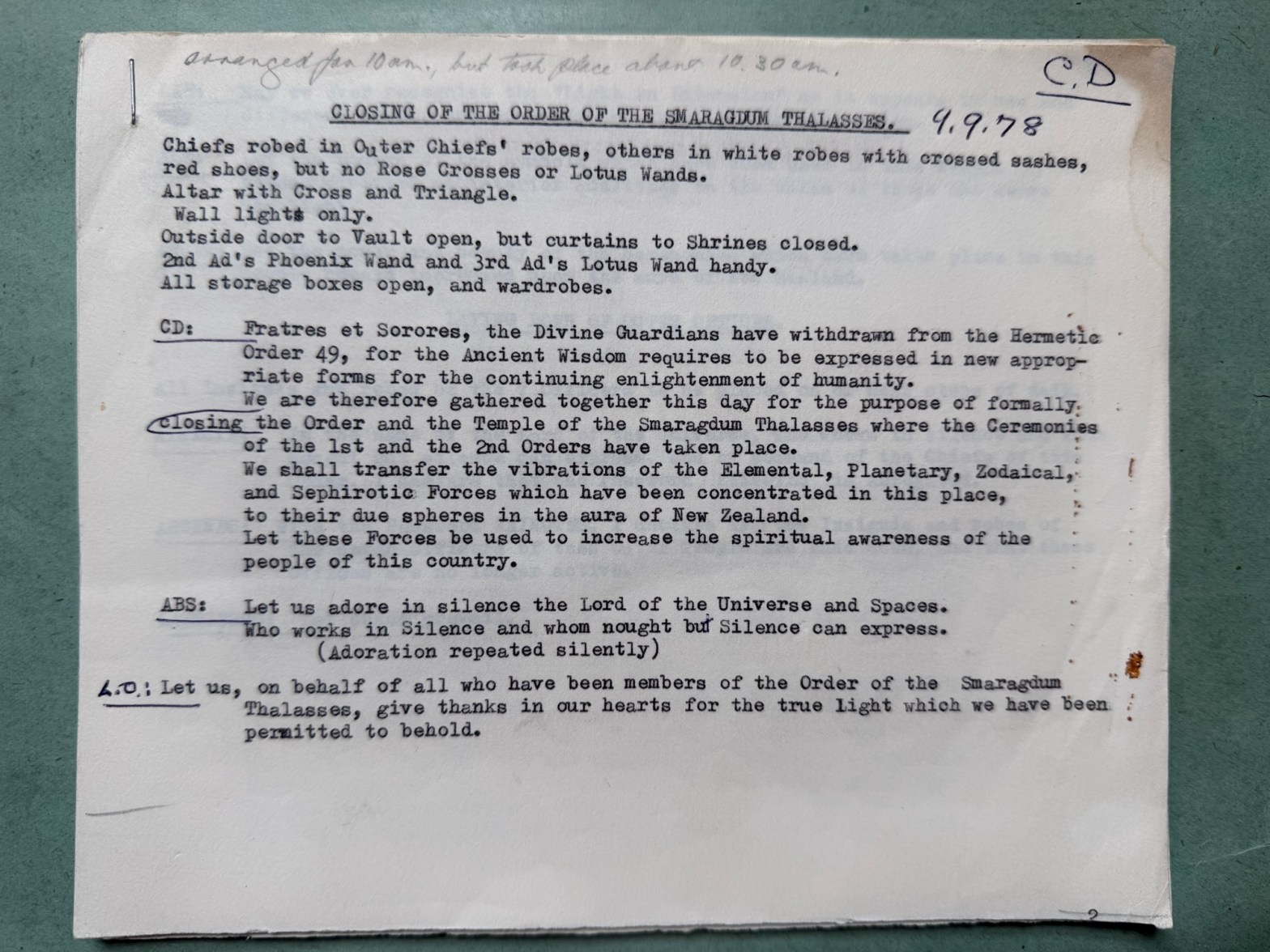
Ceremonial closure of Whare Ra occurred on the 9th of September 1978 at 10:30am, so records a handwritten note by G.H. Sor. Cantate Domino, 9=2, a previous Imperator and one of the final Chiefs of the Order. This is the first page of an eleven-page Officers script prepared for the formal closing of the OrderContinue reading “By Names and Images: The Closure of Whare Ra”
Author Archives: kasmillos
Magician or Mystic?
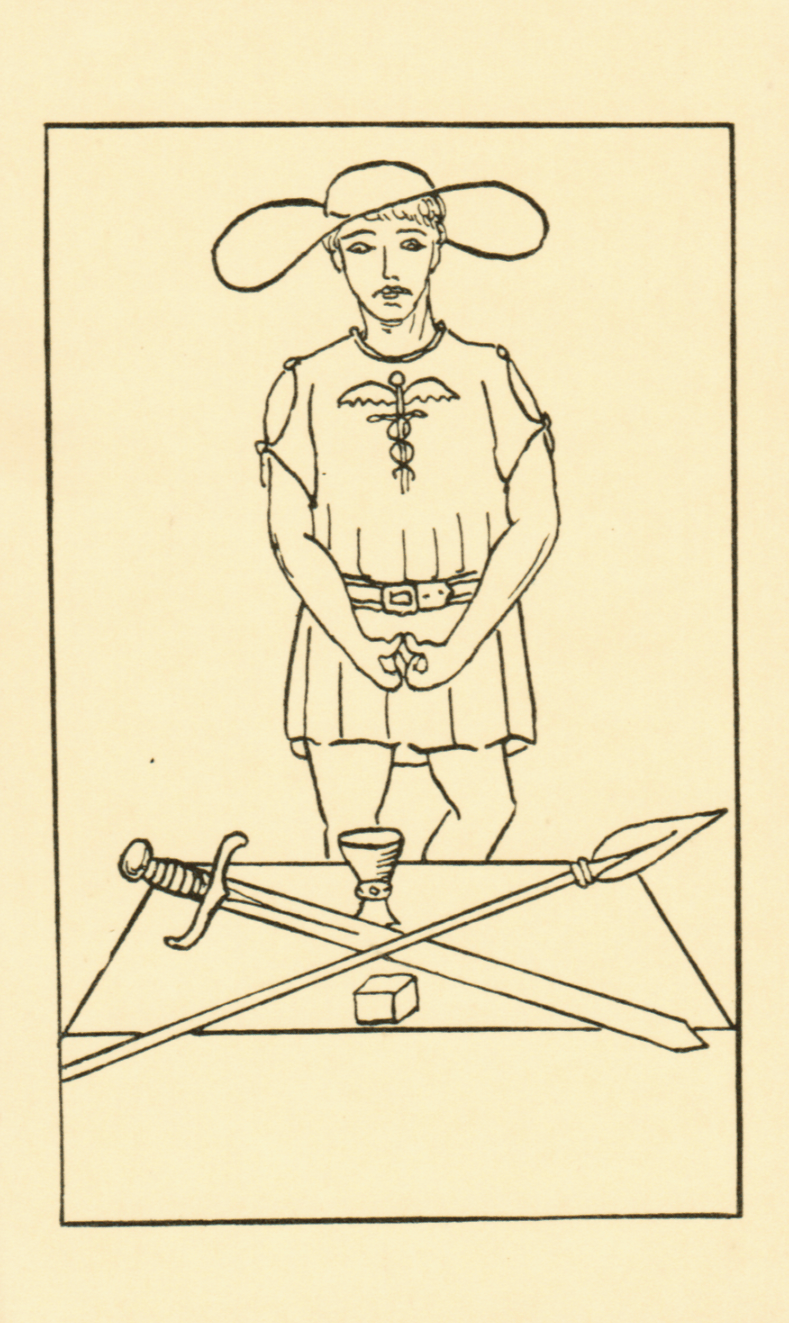
“I will not debase my mystic knowledge in the labour of evil magic at any time or under any temptation.” We sometimes hear of the Magician or Mystic cast as two distinct spiritual types. One pursues ceremonial magic; the other seeks contemplation and union with God. This categorisation has become so familiar that we oftenContinue reading “Magician or Mystic?”
The Yetziraic Symbolic Alphabet
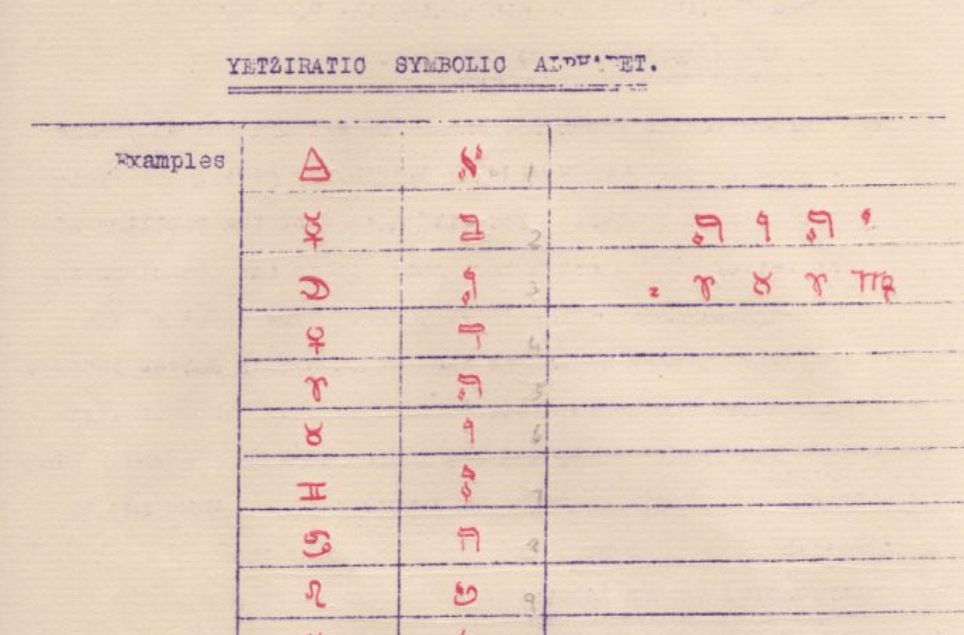
By the time the Candidate reaches the Philosophus Ceremony, the Temple contains a great many diagrams. To the inattentive eye these diagrams, or ‘Tablets’, might appear haphazard. But to the diligent student, they should invite closer inquiry. In fact every Tablet used in our ceremonial is a key; the Altar diagrams contain the central dogmaContinue reading “The Yetziraic Symbolic Alphabet”
The Burden of the Adept
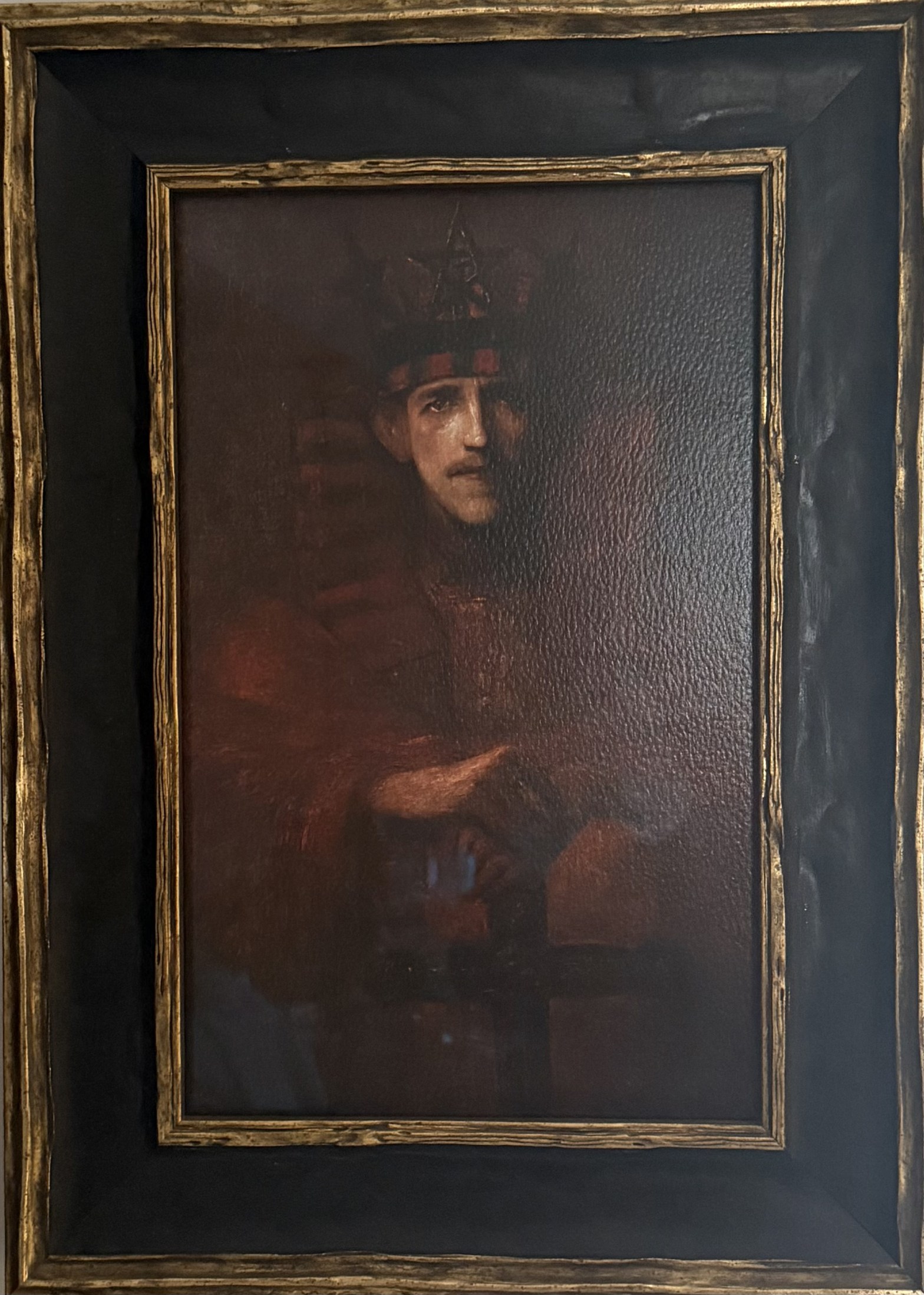
Spiritual pride rarely ambushes the Neophyte, who wrestles with discipline and doubt. It waits a little longer, ready to harry the Adept. In spiritual matters, pride is far more insidious than vanity. It can manifest as guardianship, responsibility, or even zeal, and it most often conveys a sense of importance, a sense of indispensability.Continue reading “The Burden of the Adept”
After the Ceremony
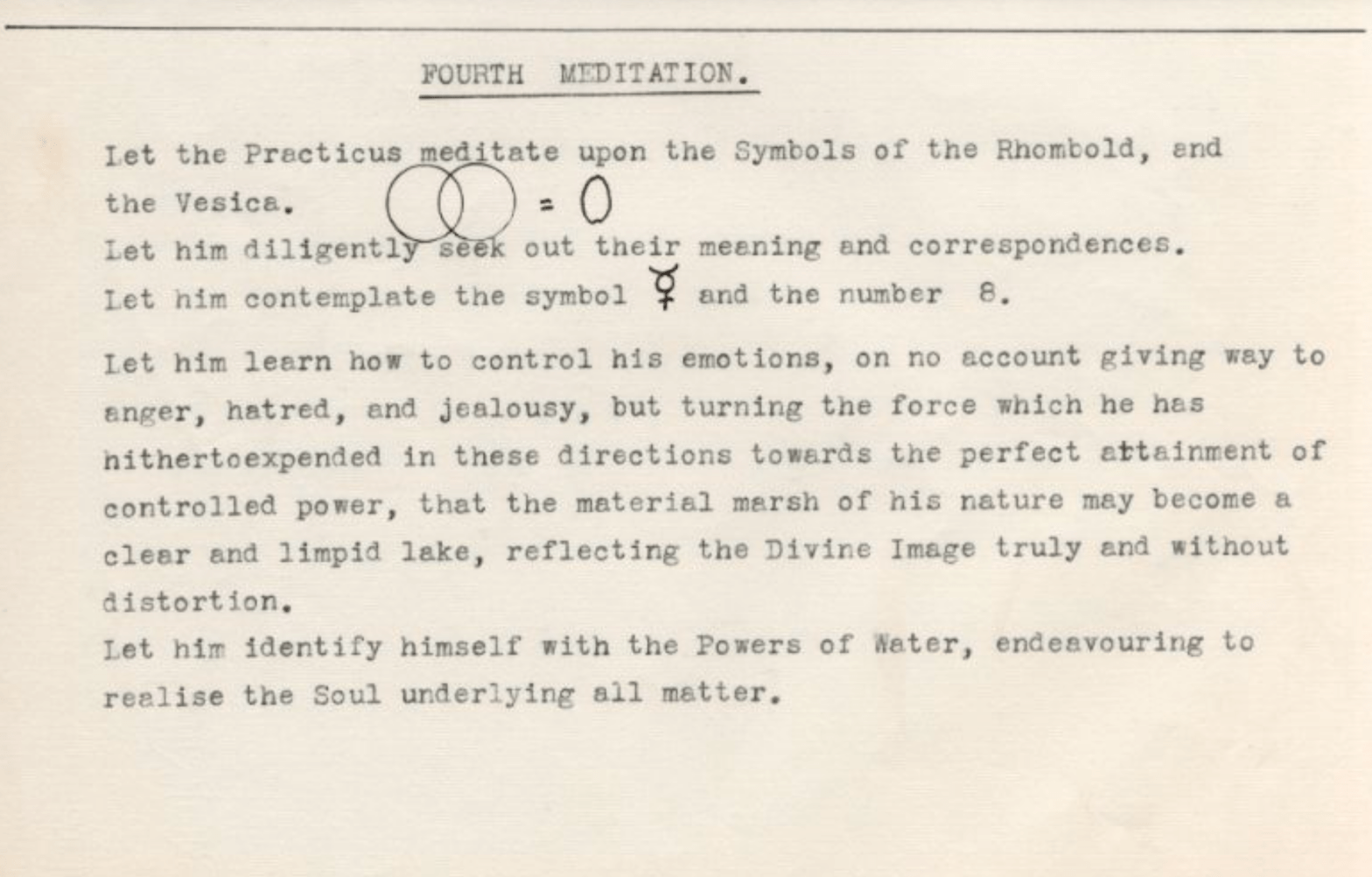
How did the Chief expect a student to spend their Tuesday morning? One of Dr Felkin’s quiet contributions to the Order was to develop something that had remained largely unrealised within the curriculum inherited from the Isis-Urania Temple: how the Candidate was to continue the Work after the Ceremony had ended. While Initiation could impressContinue reading “After the Ceremony”
The “Hermetic” in the Hermetic Order
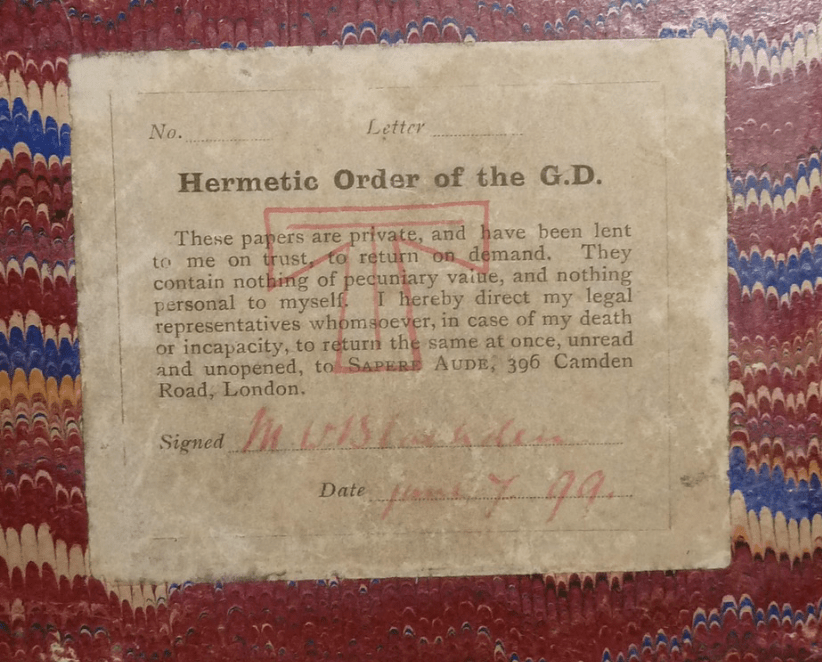
Renaissance Hermeticism (more precisely Hermetic Platonism) as advanced by Marsilio Ficino (1433–1499), provides an interpretive key through which the Order’s methods of Initiation, practice of meditation, and discipline of silence can be understood. This framework is not an adjunct to our practice; it is one of the fundamental philosophical and ethical keys through which theContinue reading “The “Hermetic” in the Hermetic Order”
The Outer Order Syllabus

While the following cannot be considered exhaustive, nor representative of every phase of development during the more than sixty years of the Smaragdum Thalasses Temple No 49, it is nevertheless representative of what a student of Whare Ra would typically receive during their passage through the Outer Order—a process which, if pursued by a diligentContinue reading “The Outer Order Syllabus”
When the Golden Dawn was an Order
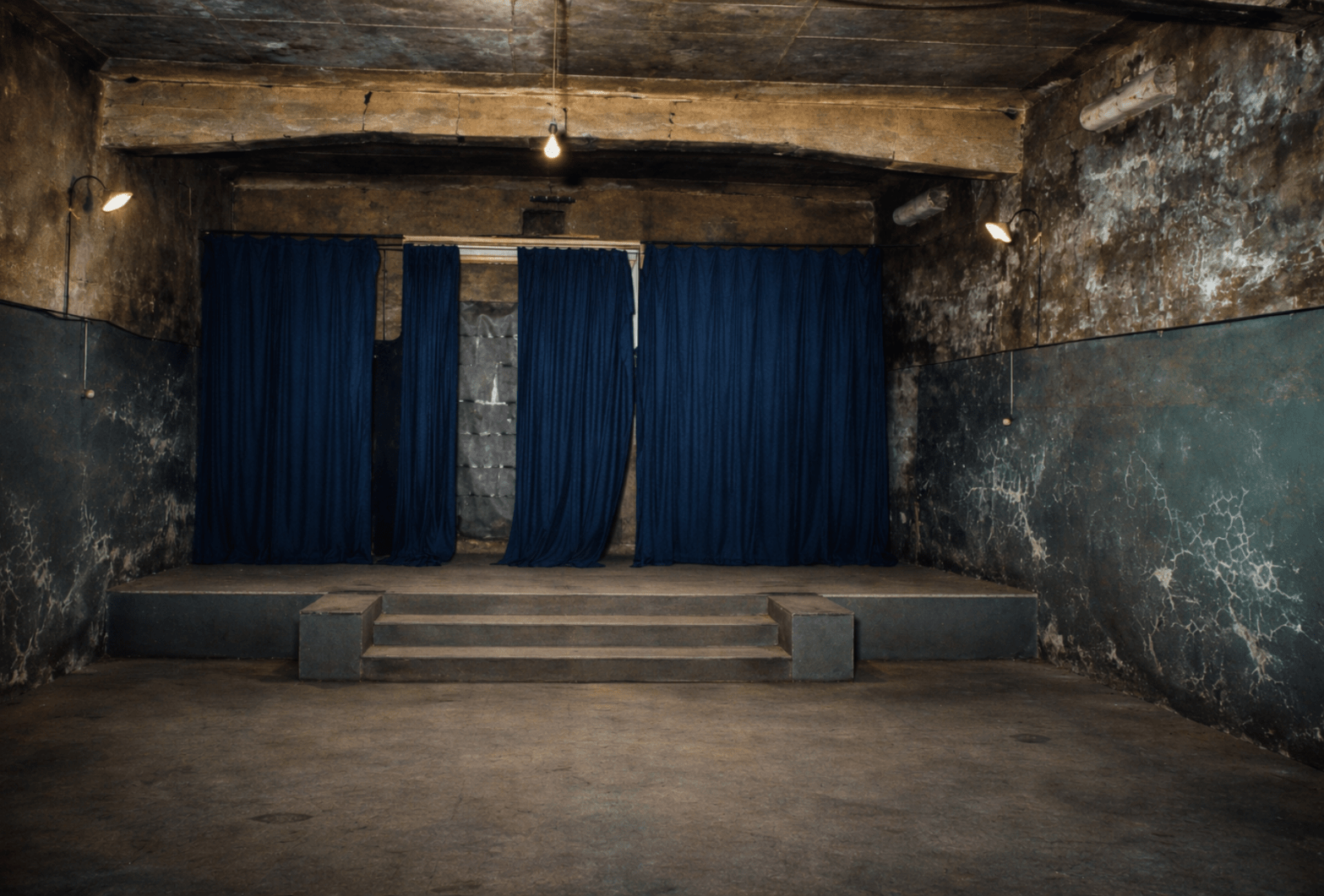
I am conscious of the privilege of having worked with Frater Fiat Lux, 7=4, a member of Whare Ra since the 1930s. With the passing of that generation, very few remain who were formed within the old Temple culture. Most who now approach the Order do so through its published corpus. Fiat Lux trained meContinue reading “When the Golden Dawn was an Order”
On the Work of the Neophyte

From the series “On the Work of the Grades” – reflections on the path of the Candidate through the Grades. One task of the Neophyte is to establish separation — to draw a deliberate line between the life that was and the life that now begins. This involves a conscious reorientation of the will. TheContinue reading “On the Work of the Neophyte”
On the Work of the Zelator

From the series “On the Work of the Grades” – reflections on the path of the Candidate through the Grades The Zelator lays the groundwork — to make firm that foundation upon which all later progress must depend. The Element of Earth is assigned to this Grade. Earth is form, body, and substance: the vesselContinue reading “On the Work of the Zelator”
