
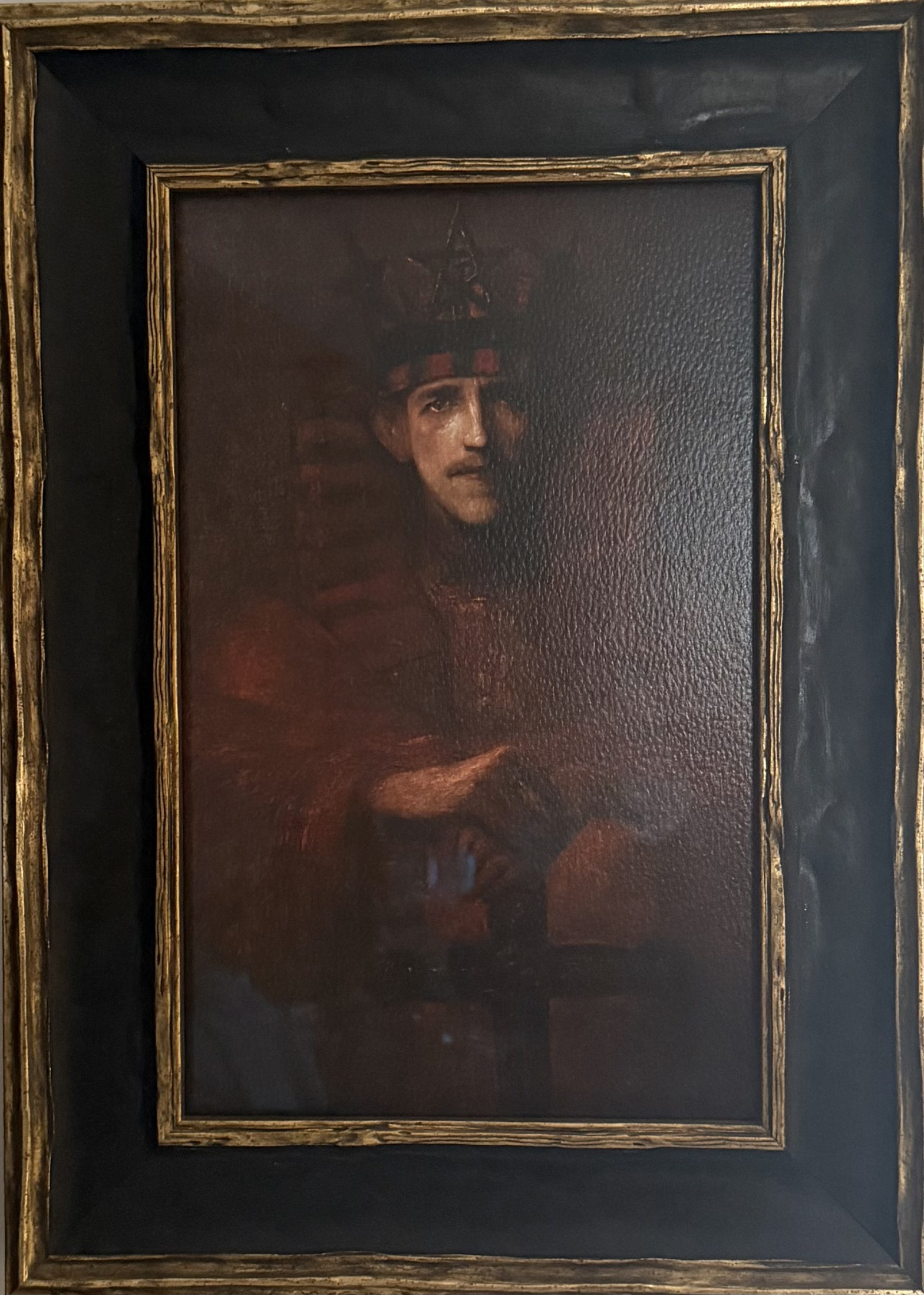
Spiritual pride rarely ambushes the Neophyte, who wrestles with discipline and doubt.
It waits a little longer, ready to harry the Adept.
In spiritual matters, pride is far more insidious than vanity. It can manifest as guardianship, responsibility, or even zeal, and it most often conveys a sense of importance, a sense of indispensability.
Within an initiatory setting this danger intensifies.
Years lend an air of authority, and authority attracts deference. Deference builds a pedestal and words are then treated as conclusions.
Questions diminish and the expectation to answer confidently and without pause grows.
At that point, substance may begin to yield to image. Certainty becomes habitual. Silence after a question feels like weakness. The desire to humbly illuminate is replaced by the need to appear comprehensive and authoritative.
Such impulses may begin sincerely, but they must still be tested.
Is this service, or self-service?
Experience does not confer infallibility. Spiritual insight remains only partial and, even then, momentary.
However long one has laboured, one remains human—subject to error and ignorance.
Fiat Lux would say:
“The Officer does not become the Office.”
Practical safeguards exist:
Authority must not isolate.
Students should be encouraged to question and attempt answers themselves.
Some answers must be withheld.
Do not build identity from praise or prophecy.
Influence must not become identity.
Self-examination must remain constant.
The Adept must therefore trust that the Hegemon guides, but ensure that the Sentinel remains on watch.
Remember one’s humanity. Continue exploring. Permit correction. Refuse the pedestal. Allow Silence.
In that maintained discipline there is relative safety.
Kasmillos
