
The discourses published here arise from the historical context of Whare Ra, the New Zealand Temple of the Stella Matutina.
They continue a similar role once served by the original The Lantern—the journal of Whare Ra—as a vehicle for reflection, instruction and historical inquiry.
Their author, Kasmillos, writes within this current of the Golden Dawn tradition. His work has been shaped in part by the teachings he received through the lineage associated with Frank Salt (Frater Fiat Lux), whose influence continues through those he trained.
- (a) Candidate (11)
- (b) 0=0 Neophyte (16)
- (c) 1=10 Zelator (11)
- (d) 2=9 Theoricus (4)
- (e) 3=8 Practicus (4)
- (f) 4=7 Philosophus (5)
- (g) Portal (4)
- (h) Inner (19)
- (i) History (19)
- (j) Praxis (40)
- (k) Symbolism (28)
-
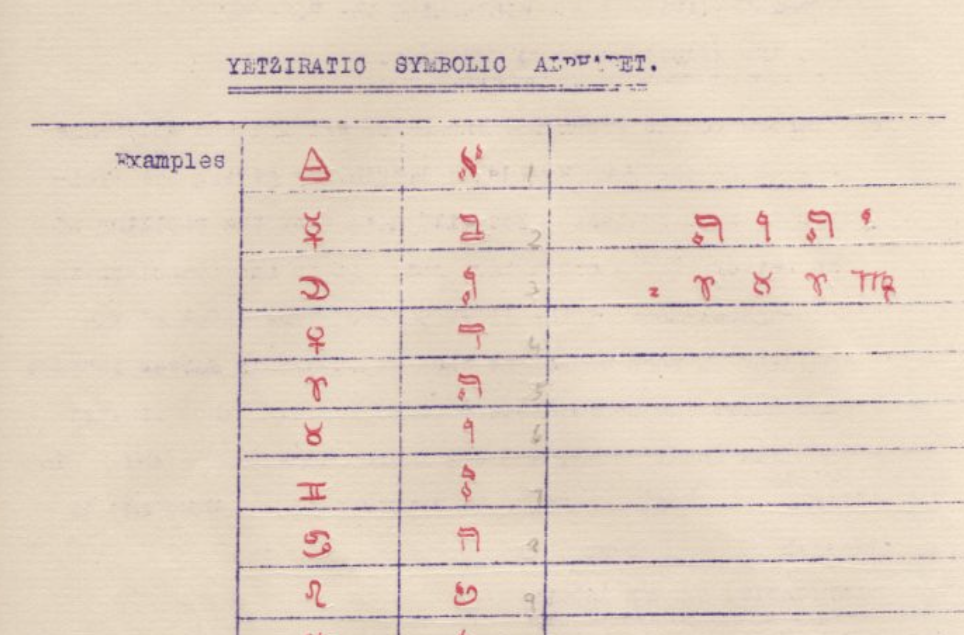
By the time the Candidate reaches the Philosophus Ceremony, the Temple contains a great many diagrams. To the inattentive eye these diagrams, or ‘Tablets’, might appear haphazard. But to the diligent student, they should invite closer inquiry. In fact every Tablet used in our ceremonial is a key; the Altar diagrams contain the central dogma of the system; the Kameas that lie quietly in the Outer Grades later…
-
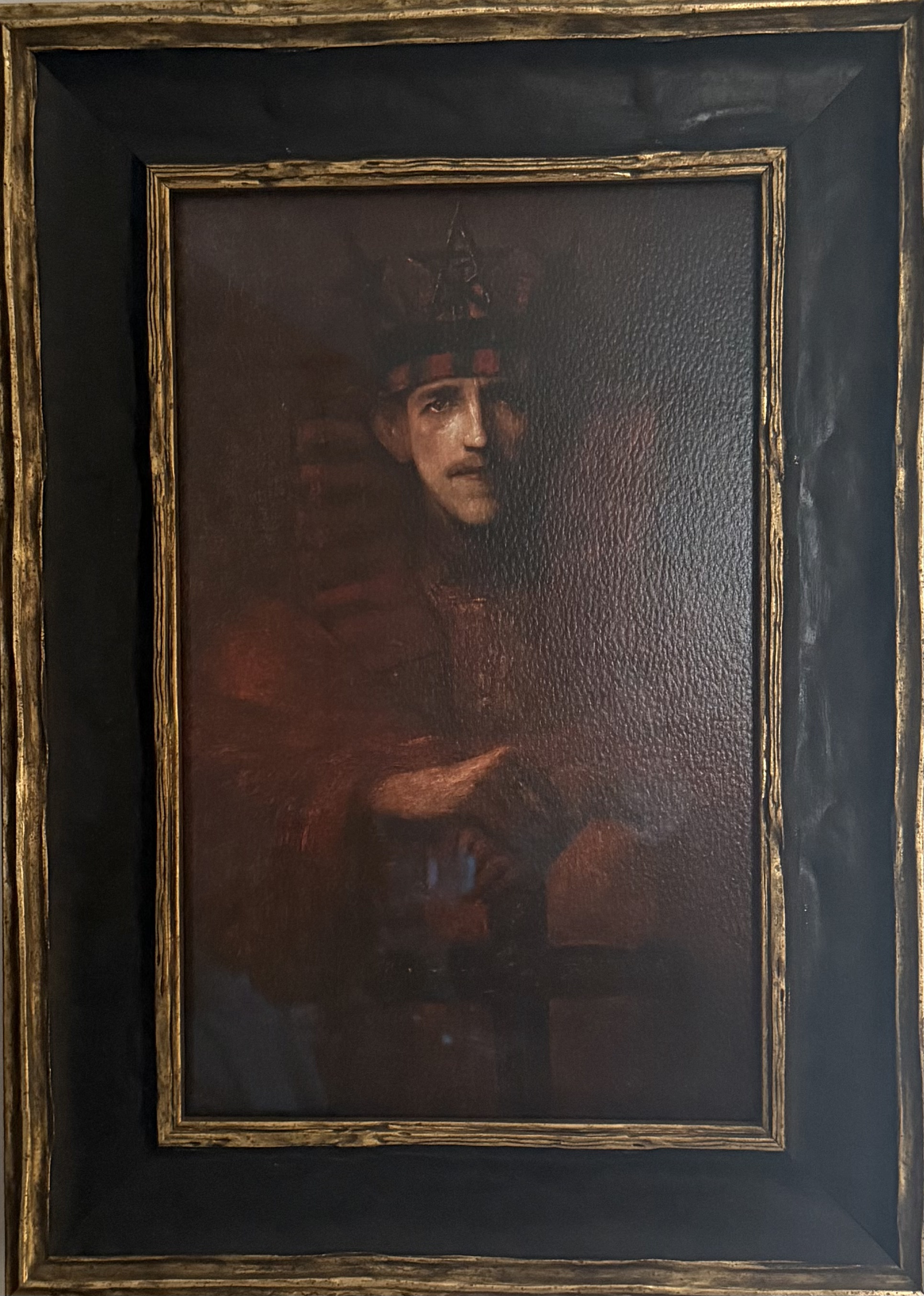
Spiritual pride rarely ambushes the Neophyte, who wrestles with discipline and doubt. It waits a little longer, ready to harry the Adept. In spiritual matters, pride is far more insidious than vanity. It can manifest as guardianship, responsibility, or even zeal, and it most often conveys a sense of importance, a sense of indispensability. Within an initiatory setting this danger intensifies. Years lend an air of…
-
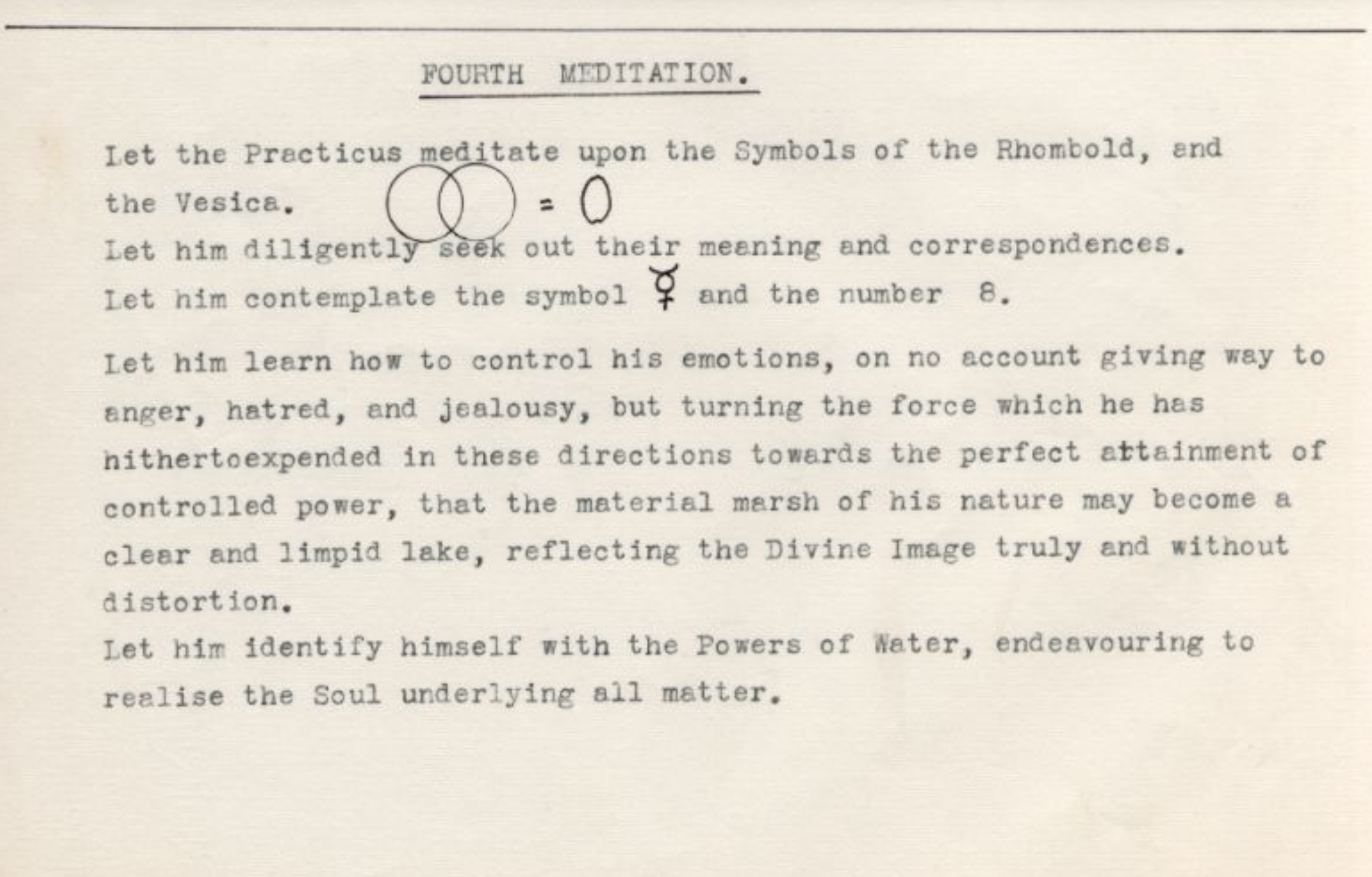
How did the Chief expect a student to spend their Tuesday morning? One of Dr Felkin’s quiet contributions to the Order was to develop something that had remained largely unrealised within the curriculum inherited from the Isis-Urania Temple: how the Candidate was to continue the Work after the Ceremony had ended. While Initiation could impress the current of the Grade upon the Candidate, the Ceremony alone could not…
