From the series “On the Work of the Grades” – reflections on the path of the Candidate through the Grades
The journey through the Outer Grades mirrors Nature’s own slow evolution and awakening.
From mineral to plant, from plant to animal, from animal to man: each stage adds motion, perception, and thought just as a pyramid gains height with each layer of stone, eventually culminating in its pinnacle.
So too does the Zelator become the Theoricus, then the Practicus, and finally the Philosophus, ascending from body to instinct, instinct to emotion, and then emotion to the intellect, as the foundation, though not yet the final stage.
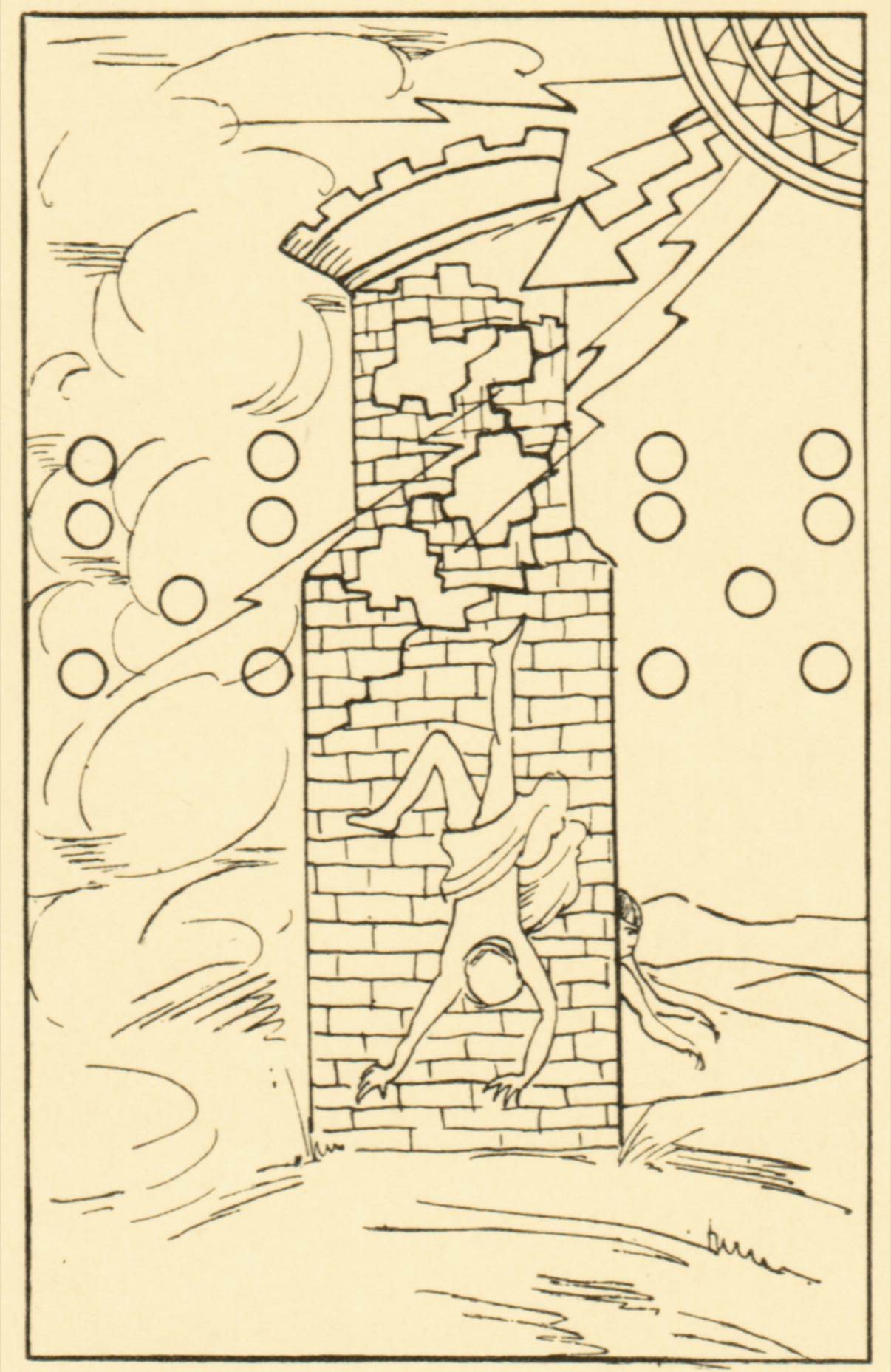
At the threshold of Peh, the path of speech and debate, progress halts for many. The mind becomes proud of its brightness and acumen; facts multiply; opinions contradict. One speaks fluently of correspondences and old manuscripts, yet the words carry no spiritual weight. This is the danger of museum talk—knowledge of facts without understanding, intellect without Soul.
Here the work of the Philosophus begins in earnest. The task is not to abandon study, but to perfect it—to draw together every fragment of learning until the pattern reveals the living current beneath the symbols. In this long discipline, as the mind exhausts itself upon detail and complexity, a change occurs. The Soul, long the silent witness, begins to stir and take command.
This is part of the mystery shown in the Order’s ceremonial: the Kerux is left behind in the lower grades, while the Hegemon moves forward. When this occurs in practice thought yields to insight; analysis becomes perception; knowledge turns to wisdom.
Then, and only then, does Peh divide, and the path opens toward the higher life. What was once labour becomes Love. Facts are not discarded, but transfigured; they serve rather than rule.
The admonition of the Hiereus to every newly-admitted Philosophus remains the surest guide:
“… to study thoroughly the mysteries which have been unfolded to your view in your progress from the humble position of a Neophyte, so that yours may not be merely the superficial knowledge which marks the conceited and ignorant man, but that you may really and thoroughly understand what you profess to know, and not by your ignorance and folly bring disgrace on that Order which has honoured you so far…and to make yourself, as far as possible an ornament alike to your Temple and your Order.”
Such is the real work of the Philosophus—to turn the intellect from a collector of information into the servant of illumination.
The outer world measures knowledge by quantity; the Order measures it by transformation. When that transformation begins, the Candidate passes from the kingdom of man to the threshold of becoming more than human.
And thus does Nature receive her Crown.
Kasmillos
